Corruption Charges Against Mapisa-Nqakula Detailed
Details of the corruption charges against Nosiviwe Mapisa-Nqakula have emerged, alleging she solicited R4.5 million in bribes during her ministerial tenure.
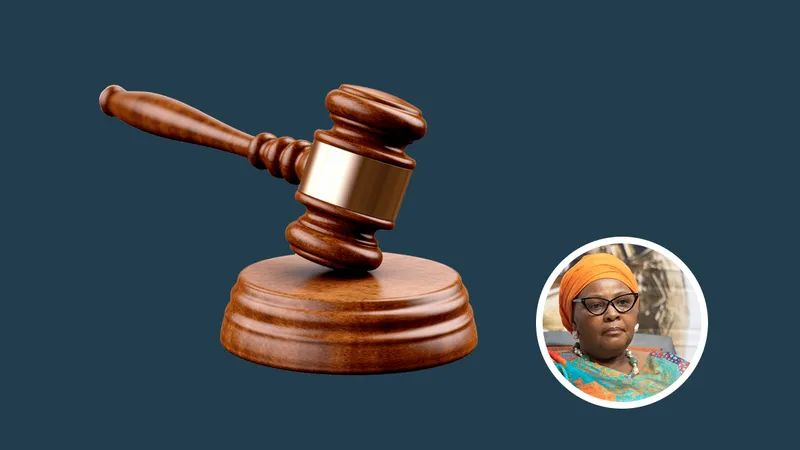
Court Ruling on Corruption Charges
The Pretoria High Court has ruled that former Defence Minister Nosiviwe Mapisa-Nqakula will face trial on charges of corruption and money laundering. The court dismissed her application to have the charges dropped, stating that the State has presented a prima facie case against her. This ruling allows the trial to proceed, following Mapisa-Nqakula's attempt to seek acquittal without presenting a defense.
Mapisa-Nqakula faces a total of 12 counts of corruption and one count of money laundering. The allegations stem from her time as Defence Minister from December 2016 to July 2019, during which she is accused of soliciting and receiving R4.5 million in bribes. Specifically, R2.1 million of this amount was allegedly paid in cash by Nombasa Ntsondwa-Ndhlovu, a contractor for the South African National Defence Force (SANDF).
Judge Mashudu Munzhelele, who presided over the case, indicated that the evidence presented by the State was sufficient to warrant Mapisa-Nqakula's appearance in court. The judge noted that the prosecution's case included direct evidence implicating her in the alleged bribery, supported by documentary evidence and communications between her and Ntsondwa-Ndhlovu.
Background of the Allegations
The allegations against Mapisa-Nqakula involve claims that she accepted bribes in exchange for awarding military transport tenders. The court's decision to proceed with the trial follows her resignation as National Assembly Speaker and Member of Parliament in April 2024, after she surrendered to police in connection with the corruption charges.
Mapisa-Nqakula has consistently denied the allegations, asserting her innocence and maintaining that her resignation was not an admission of guilt. Her legal team argued that the State had not provided sufficient evidence to justify the continuation of the trial, but the court found otherwise.
Next Steps in the Trial
With the court's ruling, the trial is set to move forward, and Mapisa-Nqakula will have the opportunity to present her defense. The case is significant not only for Mapisa-Nqakula but also for the broader context of corruption within South African politics. As the trial progresses, it will be closely monitored by the public and media, given its implications for accountability in government.
The next court dates and proceedings will determine how the case unfolds and whether Mapisa-Nqakula will be able to clear her name in the face of these serious allegations.
